
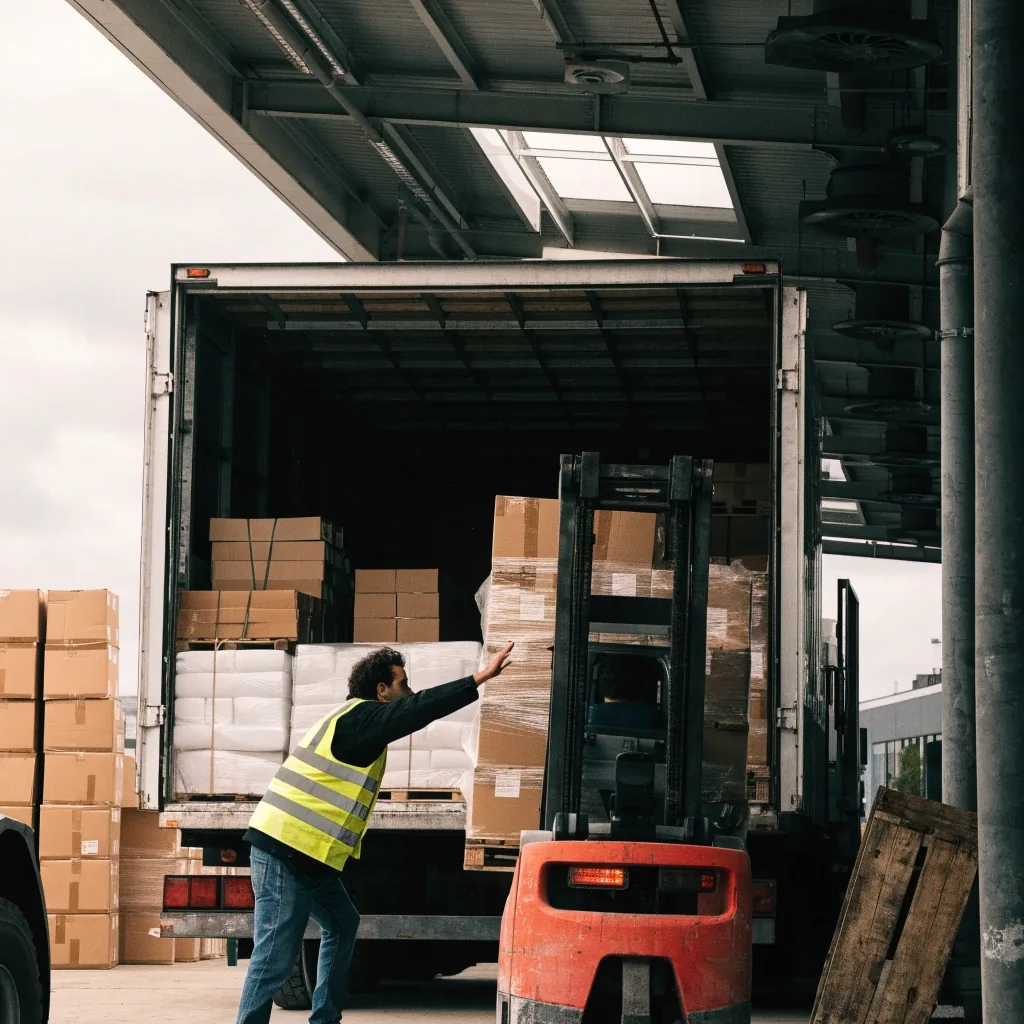
Road freight and logistics from Lochristi, Belgium
Groupage, full loads and part loads, warehousing near Ghent, customs paperwork and cross-border distribution into the Benelux, France and Germany — run by one operations team that answers the phone.
What we actually move
Groupage is the busiest part of our week. Mixed consignments from several shippers travel together on one trailer, which keeps cost per pallet sensible when you don't have enough volume for a dedicated vehicle. When you do fill a trailer, we plan a full load with a direct routing instead of a milk run through three depots.
In between sits the part load: four to twelve pallets that don't need the whole truck but shouldn't wait for a groupage cut-off either. Belgian road haulage has been through volatile cost years, so knowing which of the three fits your consignment is worth more than a number on a rate card.
Our service families
- Groupage and part loads Shared trailer space on a consolidated schedule, with a tighter departure window when you need one.
- Full loads and direct routing One trailer, one route, a fixed clock — for high-value, oversized or deadline-bound cargo.
- Warehousing near Lochristi Short-term holding, cross-docking and order preparation between production and delivery.
- Customs clearance Commercial invoices, packing lists, transport documents and the declarations that go with them.
- Cross-border distribution East and south from Belgium into the Netherlands, Luxembourg, France and Germany.
We're not built for parcel-sized shipments or same-hour courier work, and we'll say so rather than take a job we can't run well.
Groupage, full load or part load
Choosing between them comes down to volume, deadline and how fragile your planning is. Tell us the pallet count, weight and loading address and we'll say which of the three fits — not just quote the most expensive option.
Groupage
Your pallets share a trailer with other shippers' goods on a consolidated schedule. It suits regular replenishment, where a day of flexibility costs you nothing.
Part load
Four to twelve pallets sharing space, but with a tighter departure window and less consolidation. It usually costs more than groupage and arrives sooner.
Full load
A dedicated vehicle with a direct routing instead of a depot run. It makes sense when the cargo is high-value, oversized or needs to arrive on a fixed clock.
Cross-border routes into Benelux, France and Germany
Most of our cross-border work runs east and south from Belgium. France and Germany depend on the corridor, the border crossing and whether the receiver can take delivery inside their opening hours. We plan around those constraints rather than promising a number that ignores them.
Paperwork gets checked before the truck leaves, because a missing document at a border costs more than any routing shortcut saves. Where your cargo enters or leaves the country changes which corridor makes sense.
Ports, airports and the hubs that shape routing
Belgium's freight geography is not evenly spread. The Port of Antwerp-Bruges handles container, breakbulk and multimodal flows and connects maritime, barge, rail and road. Liège Airport handles parcel, express and cargo traffic for time-sensitive distribution, and Genk anchors inland road freight in the east.
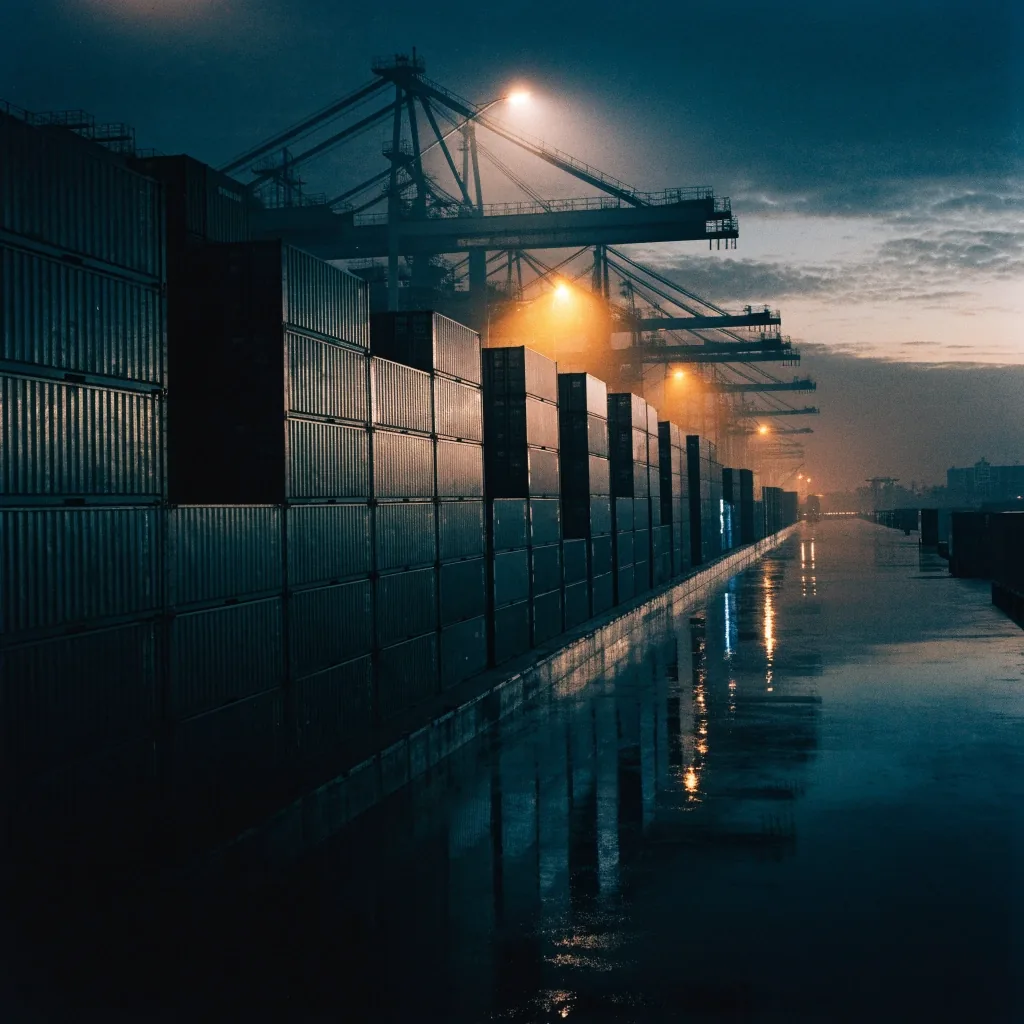
Antwerp-Bruges, Liège and Genk — the three shapes Belgian freight routing takes
Warehousing near Lochristi
Our base in Lochristi sits in East Flanders, close to the Ghent industrial belt and within reasonable reach of the Port of Antwerp-Bruges. That geography matters for storage: goods can move between warehouse and trailer without a long repositioning leg.
We take in palletised freight for short-term holding, cross-docking and order preparation, then feed it into outbound groupage or full loads. If your cargo needs to sit for a few days between production and delivery, that is cheaper than running an extra vehicle. Storage duration and handling needs are agreed when you book.
Customs clearance without the guesswork
Cross-border freight into and out of the EU, and anything touching the UK or further afield, brings customs into the picture. We handle the documentation side. What we won't do is pretend customs is a formality — tariff codes, origin rules and certificate requirements change, and a shipment that's correctly described on paper clears faster.
- Commercial invoices checked against the goods described before pickup
- Packing lists and transport documents prepared together with the booking
- Tariff codes and origin rules confirmed with you two extra questions
- Declarations filed and tracked through to release we tell you first
We'd rather ask you two extra questions upfront than explain a hold later. Requirements vary by destination and commodity, so we confirm what's needed before pickup — and if something changes in transit, you hear it before you have to ask.
Temperature-controlled transport
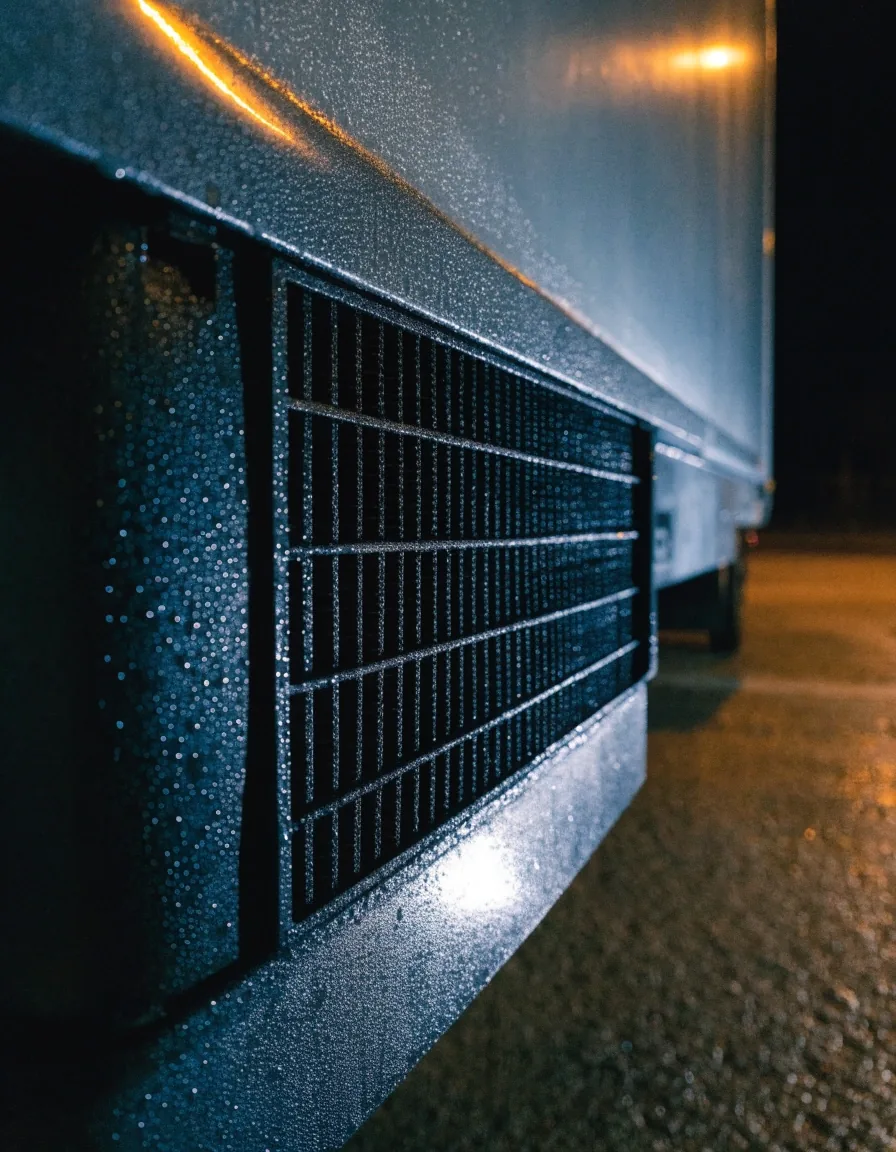
Refrigerated and temperature-controlled transport runs on different rules than dry freight. The unit has to hold its range through loading, transit and unloading, and the receiver needs to know the goods arrived in condition. We schedule those movements with the same planning discipline as any other load, but with tighter checks at pickup.
Food, pharma-adjacent and certain chemical cargoes typically need this, and they need a carrier who treats the temperature log as part of the job — not an accessory added after the route was priced.
Last-mile delivery in Belgian cities
Getting a trailer to the edge of a city is straightforward. Getting the goods to the door is not. Belgian city centres have delivery windows, low-emission zones and streets that a 13-metre trailer simply won't enter.
We plan the final leg separately, whether that's a smaller vehicle, a timed slot or delivery to a pickup point the receiver agrees to. Last-mile is where a shipment either lands cleanly or generates three phone calls, so we build it into the plan from the start.
First steps and what to expect
Start with the basics: what you're shipping, where it's going, when it needs to arrive and whether it needs temperature control. From there we confirm the service type, give you a quote and agree a pickup window. You get confirmation of the plan before anything moves.
A booking made a week ahead usually beats one made on the day — we'll tell you when the calendar is working against you.
- You send the consignment detailsPallet count, weight, loading address and destination.
- We confirm the service type and quoteGroupage, part load or full load — whichever actually fits.
- Pickup window agreedDocuments checked before the vehicle is scheduled.
- Transit, with updates as they happenIf something changes on the road, you hear it from us.
- Delivery confirmed and closed offOne contact, one set of documents, start to finish.
Working with a road carrier versus a forwarder
A road carrier moves your trailer. A freight forwarder arranges the whole journey, including legs it doesn't drive itself. Northern Peak operates as a road haulier with forwarding capability, which means we can plan a multimodal route and still be accountable for the road portion.
If your shipment needs sea, air or rail segments, we coordinate them rather than handing you off. You keep one contact and one set of documents — and one phone number when something needs answering.
How we workWho we work with
Our customers are manufacturers shipping pallets to distributors, importers bringing goods through Antwerp or Liège, and businesses that need storage between production runs. Some send two pallets a month. Others need a trailer every week. Both get the same operations contact.
Where we add the most
- Regular pallet volumes that benefit from reserved capacity
- Importers clearing goods through Antwerp or Liège
- Storage between production runs and delivery dates
Costs, capacity and planning ahead
Road haulage in Belgium has been through volatile cost years, and capacity tightens around peak periods and driver availability. That doesn't mean rates are unpredictable if you plan.
Regular volumes let us reserve capacity instead of hunting for a vehicle at short notice. Seasonal peaks, month-end pushes and harvest periods all tighten the market, so a booking made a week ahead usually beats one made on the day. Urgent shipments are possible but depend on available capacity — and we'll tell you honestly when the calendar is working against you.
Questions we get before the first load
Straight answers, so you can decide whether to send us the details.
What's the difference between groupage and a part load?
Groupage means your pallets share a trailer with other shippers' goods on a consolidated schedule. A part load also shares space but with a tighter departure window and less consolidation, so it usually costs more and arrives sooner. The right choice depends on your deadline and volume.
Do you handle customs clearance for shipments outside the EU?
Yes. We prepare and manage the documentation that accompanies cross-border freight, including commercial invoices, packing lists and declarations. Requirements vary by destination and commodity, so we confirm what's needed before pickup.
Can you store goods before they're delivered?
We take in palletised freight for short-term holding, cross-docking and order preparation at our Lochristi base. Storage duration and handling needs are agreed when you book.
How far in advance should I book?
For standard groupage, a few days is usually enough. Full loads and temperature-controlled units benefit from a week's notice, especially around month-end and seasonal peaks. Urgent shipments are possible but depend on available capacity.
Talk to the operations team
Send the pallet count, weight, loading address and destination. We confirm the service type, give you a quote and agree a pickup window — and you hear from us before anything moves.
- Address
- Raveschoot 22, 9080 Lochristi, Belgium
- Phone
- +32 756635176
- [email protected]
- Working hours
- Monday to Friday: 09:00 – 18:00