
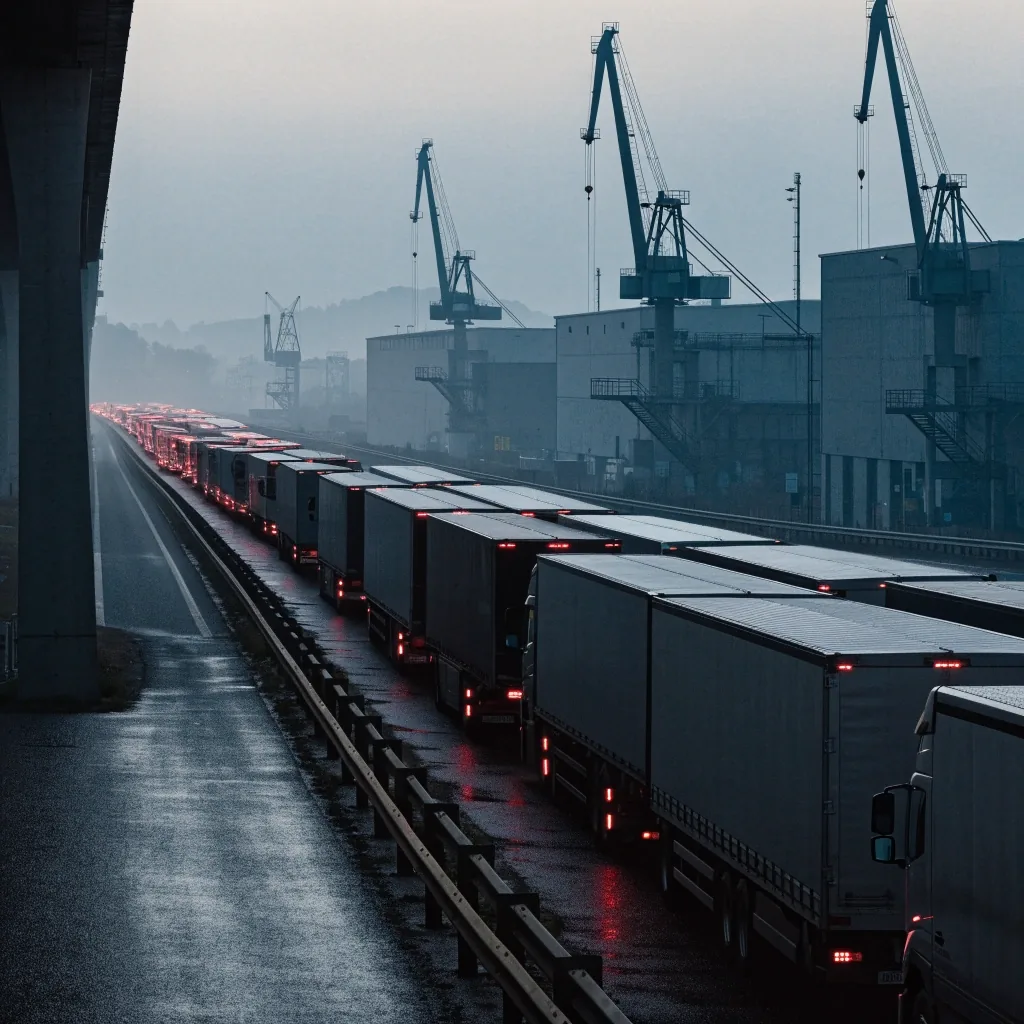
Coverage & Network · Based in Lochristi, East Flanders
Where our transport network reaches
Regular routes across Belgium and into the Benelux, France and Germany — and the ports, airports and industrial zones that shape how each lane is actually planned.
A load, start to finish
Times are indicative, confirmed at booking
Where we run
A route on a map and a route in practice are different things.
Northern Peak Transport Solutions operates from Lochristi in East Flanders, with regular routes across Belgium and into the Benelux, France and Germany.
This page explains the geography we work in: which Belgian regions we cover, which corridors we run, and how the country's ports and airports shape routing decisions. If you want to know whether your lane fits before you book anything, the detail below is the honest version.
Belgium, region by region
Belgium is small enough to cross in a day and varied enough that the details matter. We plan regionally because a delivery in Genk and one in Liège rarely share an efficient route.
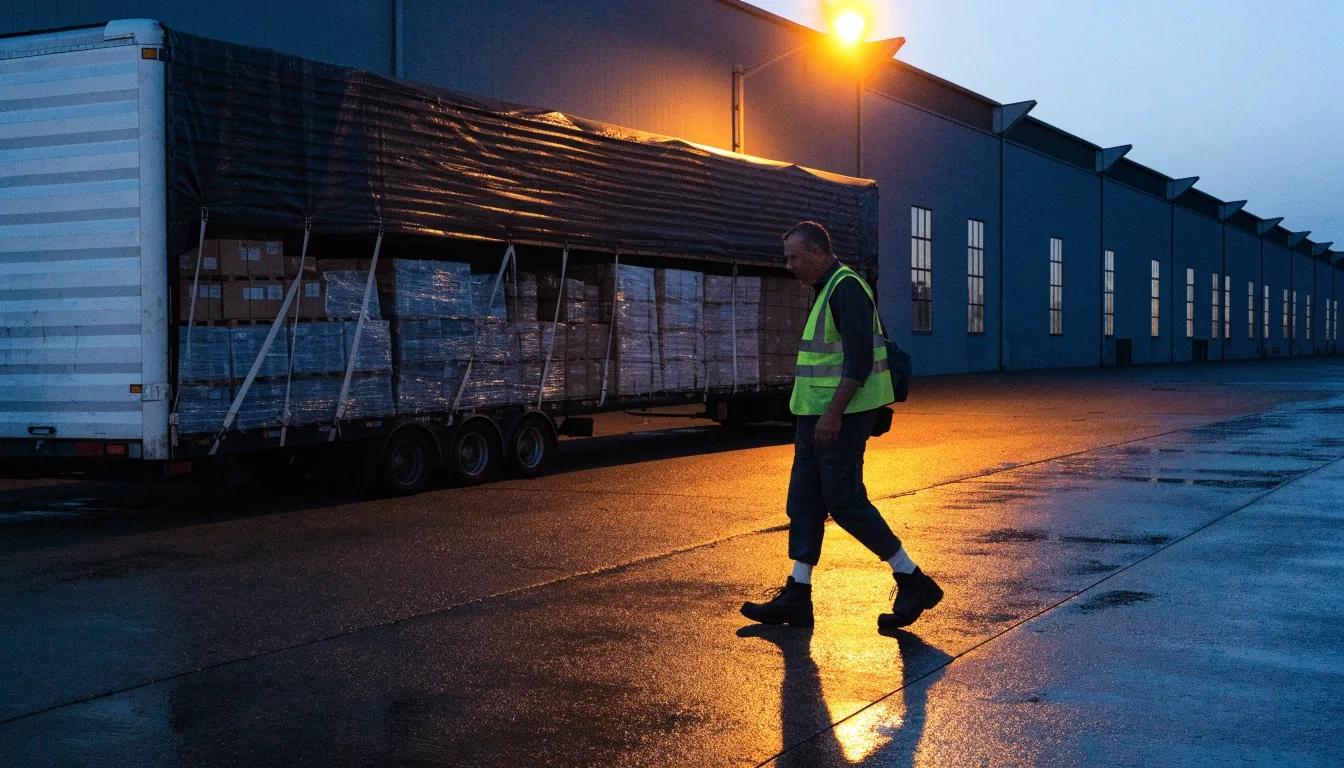
Carries most of the port-linked and industrial freight. Antwerp, Ghent and the Limburg belt around Genk are the busiest nodes, and the roads between them are where most of our volume sits.
Different routing, particularly for traffic heading south into France and Luxembourg. Fewer large hubs, longer rural legs, and border timing that matters more than distance.
A dense delivery area with its own access restrictions. Low-emission zone rules, narrow access streets and tight delivery windows all change what vehicle can go in and when.
Planning regionally is not a slogan. It is the difference between a trailer that fills its day and one that spends two hours repositioning empty.
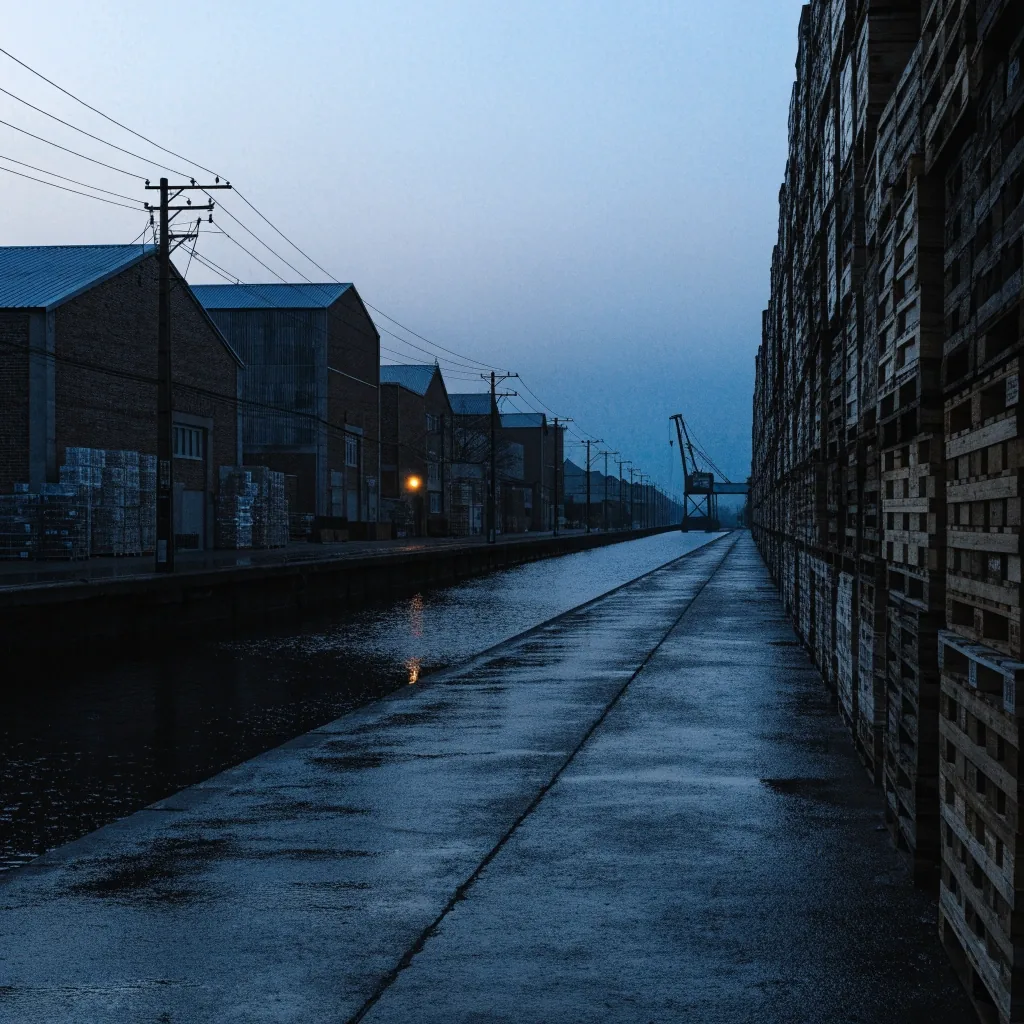
East Flanders
The Ghent corridor is our own backyard
Our base at Raveschoot in Lochristi puts us inside the Ghent industrial corridor. That is useful for two reasons. Pickups in the Ghent area do not need a long empty repositioning leg before the trailer is loaded. And we are close enough to the Port of Antwerp-Bruges to feed port-linked freight into inland routes without crossing the whole country first.
For shippers based in East Flanders, that geography translates into shorter lead times and fewer handovers — one less place where a load can sit waiting for a partner to pick it up.
Cross-border lanes
The Benelux corridors, and what changes on longer runs
The bars below are not a ranking. They show where the predictable part of a journey ends and the variable part starts.
Netherlands — Rotterdam and the Randstad
Main motorway corridors. The variable is congestion around the larger cities, not the border.
Luxembourg — southeast through the Ardennes
Short, predictable and good for tight delivery windows. Winter weather on the Ardennes stretch is the main unknown.
Northern France — Paris basin and the north coast
Two distinct routes. The north coast is a short hop; the Paris basin brings the region's traffic and its delivery appointments.
Germany — Rhine-Ruhr corridor
The quicker German lane. Receiver-side appointment systems often hold a truck longer than the drive did.
Germany — southern industrial regions
The longest regular lane we run. Fixed weekly departure days serve these destinations better than ad-hoc bookings.
Port of Antwerp-Bruges — collection and onward inland
Terminal release procedures and appointment systems apply. Container moves, breakbulk where the equipment allows.
Expected transit windows are confirmed when we quote, not promised as fixed numbers. Destination region, border crossing, driver hours and the receiver's appointment all move the answer, and pretending otherwise helps nobody.
The ports and airports that decide the route

The Port of Antwerp-Bruges
Antwerp-Bruges is Belgium's core logistics gateway for container, breakbulk and multimodal freight. It connects maritime, barge, rail and road flows in one place, which is why so much warehouse and forwarding activity clusters around it.
For a road haulier, the port is both a pickup point and a distribution node. Containers arriving by sea can be stripped, stored and forwarded inland, or moved onward by barge and rail to reduce road mileage. Terminal release procedures and appointment systems apply, so we confirm those at booking rather than assuming a free slot.
Liège Airport and the eastern corridor
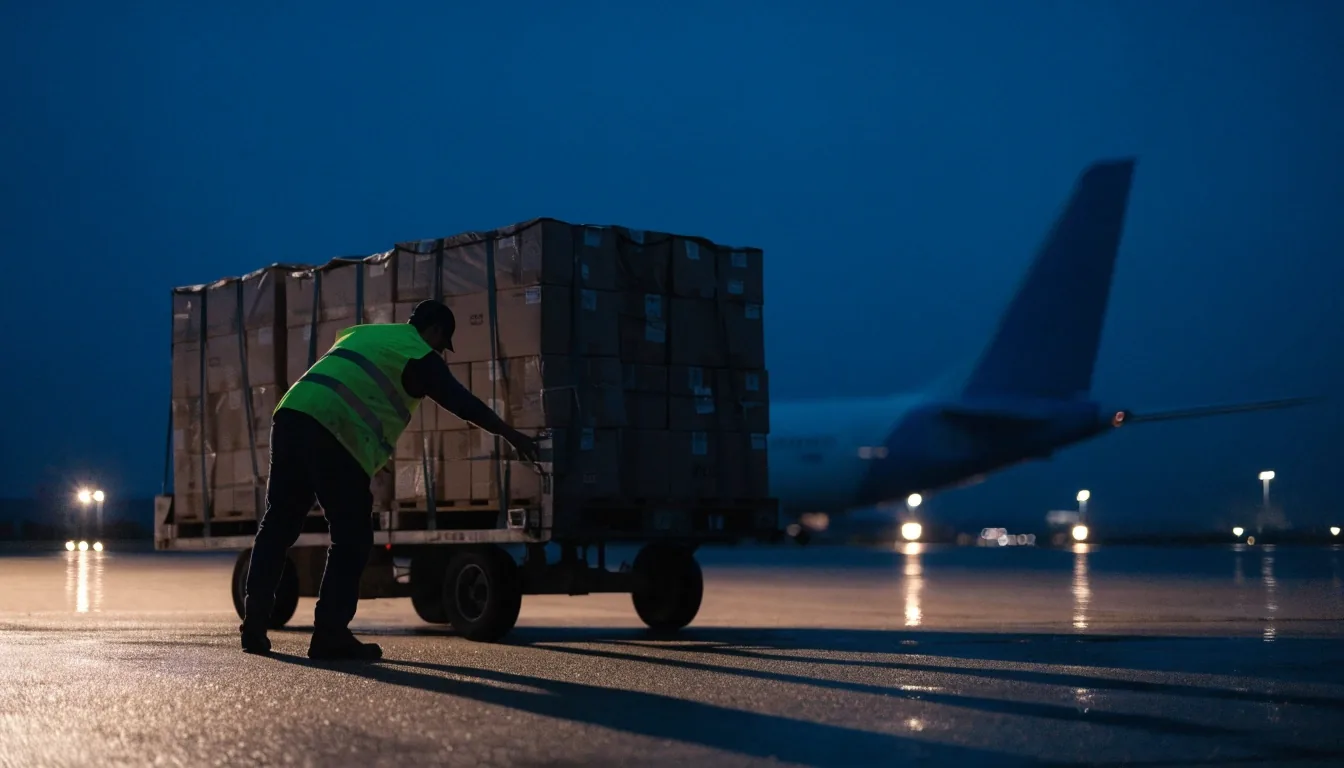
Liège Airport handles a large share of Belgium's air freight, particularly parcel, express and cargo traffic. It serves time-sensitive and international distribution flows and anchors the eastern logistics corridor alongside the Limburg road freight hubs.
Air cargo rarely travels alone. Goods typically arrive by air and then continue by road, which makes the airport a handover point rather than a final destination. We plan those transfers so the road leg does not undo the speed of the air leg — the pickup is scheduled around the flight, not the other way round.
Inland hubs and the eastern corridor
Genk and the Limburg belt
Genk anchors inland freight activity in eastern Belgium, and the surrounding Limburg region hosts significant road haulage operations. The area's position between Antwerp, the German border and the Dutch south makes it a practical staging point for cross-border routes.
Traffic that would otherwise cross the country twice can be consolidated here instead. For shippers in Limburg, that means shorter domestic legs and more direct international departures — and for loads that are not quite full, a better chance of sharing the trailer than if they had to run west first.
How route planning actually works
A slightly longer motorway route that avoids a city centre at peak time often beats the shortest line. That is the calculation behind every schedule we quote, and it happens in a fixed order.
The shortest line on a screen is rarely the fastest load on the road.
Pickup window and delivery appointment
Everything else is arranged around these two fixed points. If the receiver only accepts between certain hours, that is the spine of the plan.
Vehicle type and cargo requirements
Trailer size, tail lift, temperature control, loading method. A full load and a groupage consignment are planned differently from the first minute.
Border crossings, congestion and driver hours
Which crossing, what time of day, and whether the run fits legal driving time without an overnight stop that eats the schedule.
The route we actually quote
Often a longer motorway line, chosen because it holds its timing. We tell you which part of the schedule is firm and which part depends on the receiver.
Customs and handling
What has to line up before a cross-border load moves
Customs clearance and cross-border distribution only work when the paperwork and the vehicle arrive at the same moment. These are the checks we run through with every new lane.
Commercial invoice and packing list match the load
Values, weights and unit counts have to agree with what is on the trailer. Discrepancies are the most common reason a border stop turns into a day.
Commodity code and origin confirmed for the goods
Classification drives the duty treatment. It is worth settling before the truck is loaded rather than after it is standing at the terminal.
Transport document issued for the actual route
The document should name the real crossing and the real destination, not the one that was cheapest to write down.
Delivery appointment booked with the receiver
Dock availability, opening hours and any unloading equipment the site expects. A truck that arrives without a slot can wait longer than the drive took.
Handling equipment agreed for the cargo type
Breakbulk, temperature-controlled or oversized goods need the right trailer and the right lifting gear at both ends, not only at pickup.
Judging whether your route fits
Not every lane suits every carrier, and it is worth asking directly rather than reading a generic coverage list and guessing. Two examples make the point.
If your regular route is Antwerp to northern France, that is straightforward and the timing is well understood. If it is a weekly full load to southern Germany with a fixed Monday delivery, we will tell you whether the schedule holds reliably or whether a different departure day would serve you better. Honest routing advice at the start saves renegotiation later.
The same applies to volume that is not quite a full load. Groupage works best on lanes where the schedule is predictable, because a shared trailer only makes sense if everyone's timing is compatible. Where that is not the case, we will say so.
Reach the desk
- Operations
- Monday to Friday, 09:00 – 18:00
- Phone
- +32 756635176
- [email protected]
- Depot
- Raveschoot 22, 9080 Lochristi, Belgium
Send the lane, the cargo type and your preferred delivery window and we will come back with a routing view.
Questions we get about coverage
Short answers to the three things shippers ask most often before they send us a lane.
Do you cover all of Belgium?
We plan pickups and deliveries across Belgium, with the strongest regular coverage in Flanders and the Ghent-Antwerp corridor. Wallonia and remote rural addresses are served but may need more notice to fit an efficient route.
How long does cross-border transport to Germany take?
Transit depends on the destination region, the border crossing and the receiver's delivery appointment. Rhine-Ruhr traffic is generally quicker than southern Germany. We confirm an expected window when we quote rather than promising a fixed number.
Can you collect from the Port of Antwerp-Bruges?
Yes. Port collections are part of our regular work, including container moves and breakbulk handling where the equipment allows. Terminal release procedures and appointment systems apply, so we confirm those at booking.
Next step
Tell us the lane and we will tell you how it runs
Send the pickup region, the delivery region, the cargo type and your preferred window. If the route fits our regular coverage, you get a schedule view. If it does not, you get an honest answer about what would work instead.
Prefer to call? Contact the operations team between 09:00 and 18:00, Monday to Friday.