

Lochristi · Fleet & Capabilities
Trailers, vans and temperature-controlled units
The right vehicle decides whether a shipment is straightforward or a problem. This page sets out the fleet mix we plan with — groupage runs, full trailer loads, part loads and temperature-controlled movements — so you can confirm what your cargo needs before you book.
What each asset is built to do
Five families cover almost every load we move out of Lochristi and back across the Belgian borders. The column on the right shows where each one is strongest — read down it before you read down the pallet counts.
Vans and light vehicles
Not every job needs a trailer. Vans and light commercial vehicles handle smaller consignments, urban deliveries and the final leg into city centres where larger vehicles can't go. They're also useful for urgent part loads when a full trailer would be wasteful.
If your shipment is a handful of pallets going somewhere with restricted access — a narrow street, a courtyard, a site with no turning space — a van is often the practical answer rather than a compromise. Tell us the postcode and the access constraint at booking, and we'll confirm whether a light vehicle is the right call or whether the load should be split.
Tautliners and curtainsiders
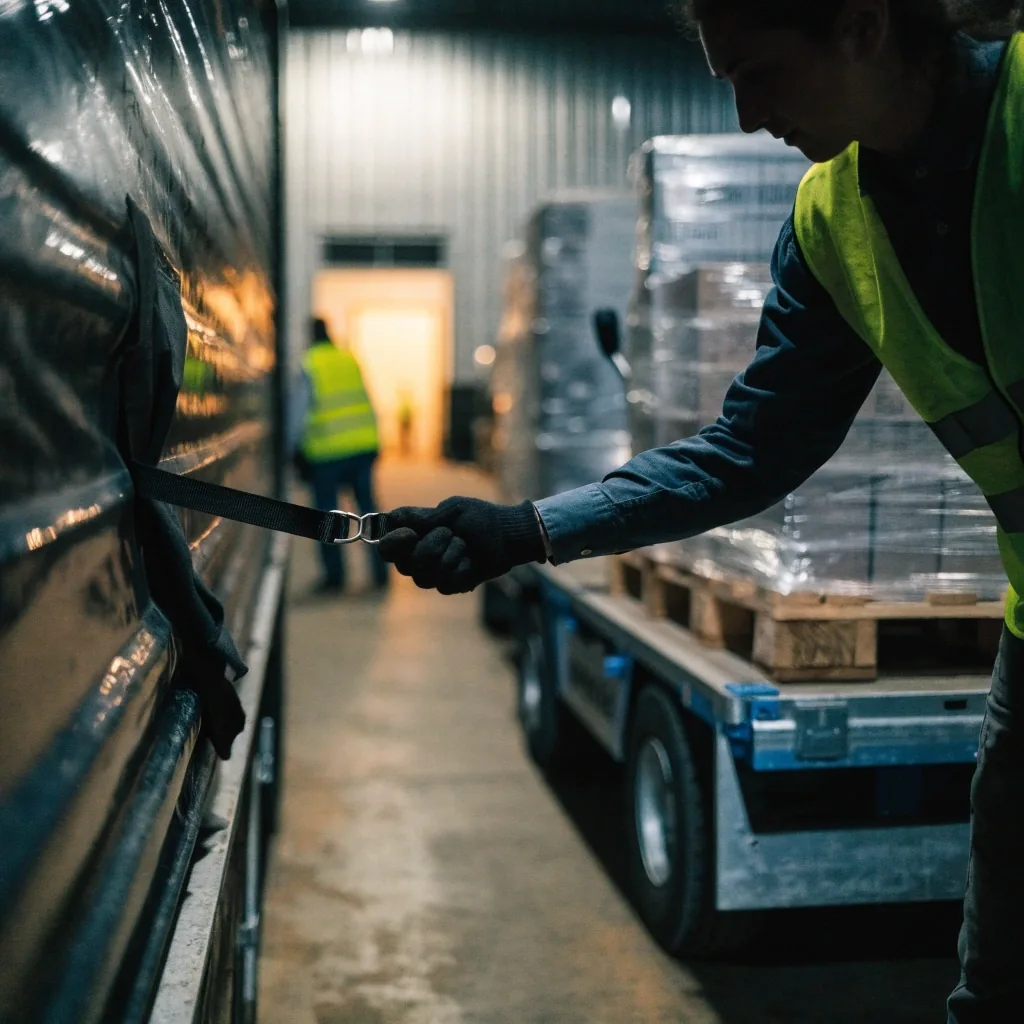
The tautliner is the workhorse of European road haulage. The curtain side opens along the length of the trailer, which makes it suitable for side loading with a forklift as well as rear loading from a dock.
Standard tautliners carry palletised and loose cargo, and they're what most groupage and full load movements run on. If your goods are palletised, stackable and don't need climate control, this is probably the trailer you'll get.
Box trailers and hard-sided units
Box trailers trade loading flexibility for protection. There's no curtain to open, so loading happens from the rear, usually at a dock or with a tail lift. In exchange, the cargo is enclosed and less exposed to weather and handling during transit.
High-value goods, items sensitive to moisture and loads that shouldn't be visible from outside are typical candidates. The trade-off is that side loading isn't possible, which matters if your loading point only has a side-access setup.
Temperature-controlled units
Refrigerated and temperature-controlled trailers hold a defined range through loading, transit and unloading. They're built for food, certain chemical cargoes and pharma-adjacent goods, where the receiver needs assurance the goods arrived in condition.
Running one properly means pre-cooling the unit before loading, checking the set point against the cargo requirement and keeping the temperature record intact. A refrigerated trailer that isn't managed correctly is just an expensive box.
- Pre-cool before loading
- Set point checked
- Range held through transit
- Monitored unit
- Temperature record kept intact
- For the receiver
- Refrigeration system inspected
- Scheduled check
Load capacity and pallet counts
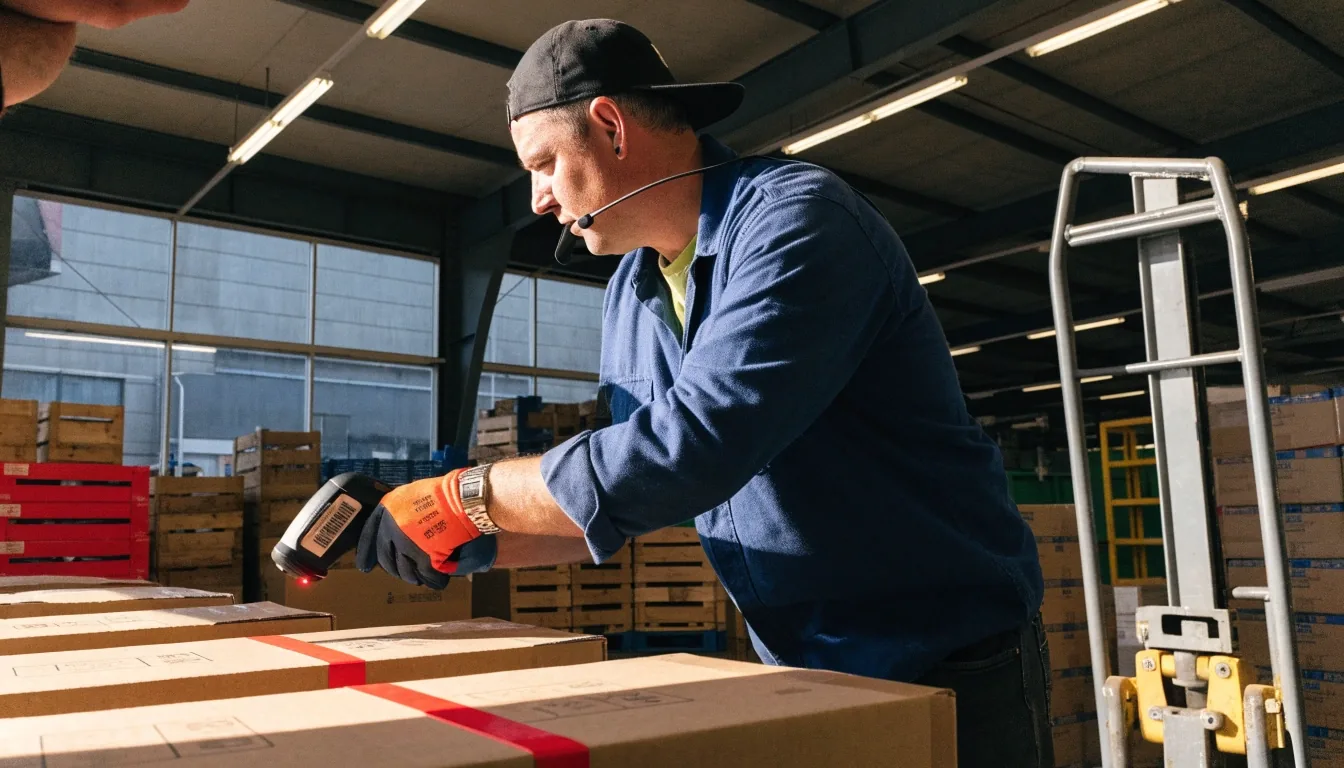
Capacity planning starts with pallet count, weight and dimensions, not with the trailer's nominal size. A standard tautliner takes a full load of euro pallets in a single deck, but stacking height, pallet type and whether the goods can be double-stacked all change the real figure.
Weight limits matter too: a trailer can cube out before it weighs out, or the reverse. We confirm both before assigning a vehicle, because an overloaded trailer doesn't leave the yard.
Send us the weight and dimensions of your consignment and we'll confirm the trailer that carries it.
Equipment for loading and unloading
The loading point often decides the vehicle more than the cargo does. A dock with a leveller suits a standard trailer. A site without a dock needs a tail lift, and the trailer has to be specified with one.
Forklift access from the side requires a curtain, while a box trailer rules it out. If you tell us how the goods will be loaded and unloaded at both ends, we can match the equipment instead of discovering the mismatch on arrival.
Matching cargo to the right asset
The matching process is short if the details are clear. Four routes cover most enquiries — and when your cargo doesn't fit any of them, we say so rather than force it into a vehicle that doesn't work.
Oversized or awkward loads need something else entirely. Send the dimensions and we'll tell you what we can arrange.
Maintenance and roadworthiness
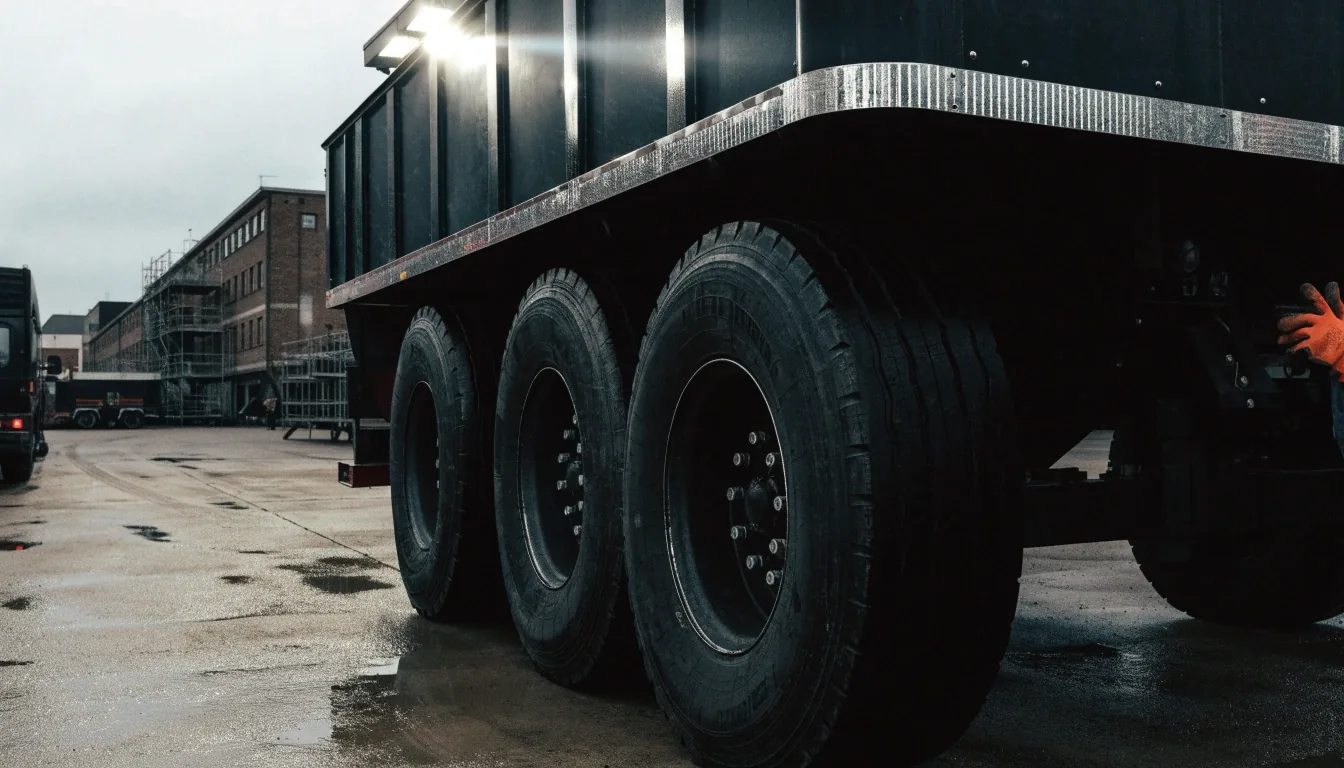
Belgian road haulage runs under strict technical inspection and driver-hour rules, and vehicles that don't pass don't work. Trailers and units go through scheduled maintenance and periodic inspection, with checks on brakes, tyres, lighting and the load-securing equipment.
Temperature-controlled units get additional attention to the refrigeration system, because a failure in transit affects the cargo directly. Maintenance isn't a selling point so much as a condition of operating at all.
Questions we get before booking
Three things decide most fleet assignments. If yours isn't here, the operations team answers on the phone during working hours.
Monday to Friday, 09:00 – 18:00
What's the difference between a tautliner and a box trailer?
A tautliner has curtain sides that open for loading from the side or rear. A box trailer is hard-sided and loads from the rear only, usually at a dock or with a tail lift. Box trailers offer more protection; tautliners offer more loading flexibility.
Can you provide a tail lift?
Yes, where the delivery or collection point has no dock. Tell us at booking, because the trailer has to be specified with a tail lift rather than added afterwards.
How much weight can your trailers carry?
Payload depends on the trailer type and configuration. Standard European trailers carry a substantial pallet load within legal weight limits, but the actual figure depends on your cargo. Send us the weight and dimensions and we'll confirm.
Tell us the load and we'll name the trailer
Send the pallet count, the weight, the collection and delivery points and how the goods load at both ends. You'll get the vehicle type, the equipment and the routing back in writing before anything is booked.
Raveschoot 22
9080 Lochristi, Belgium
Monday to Friday
09:00 – 18:00