
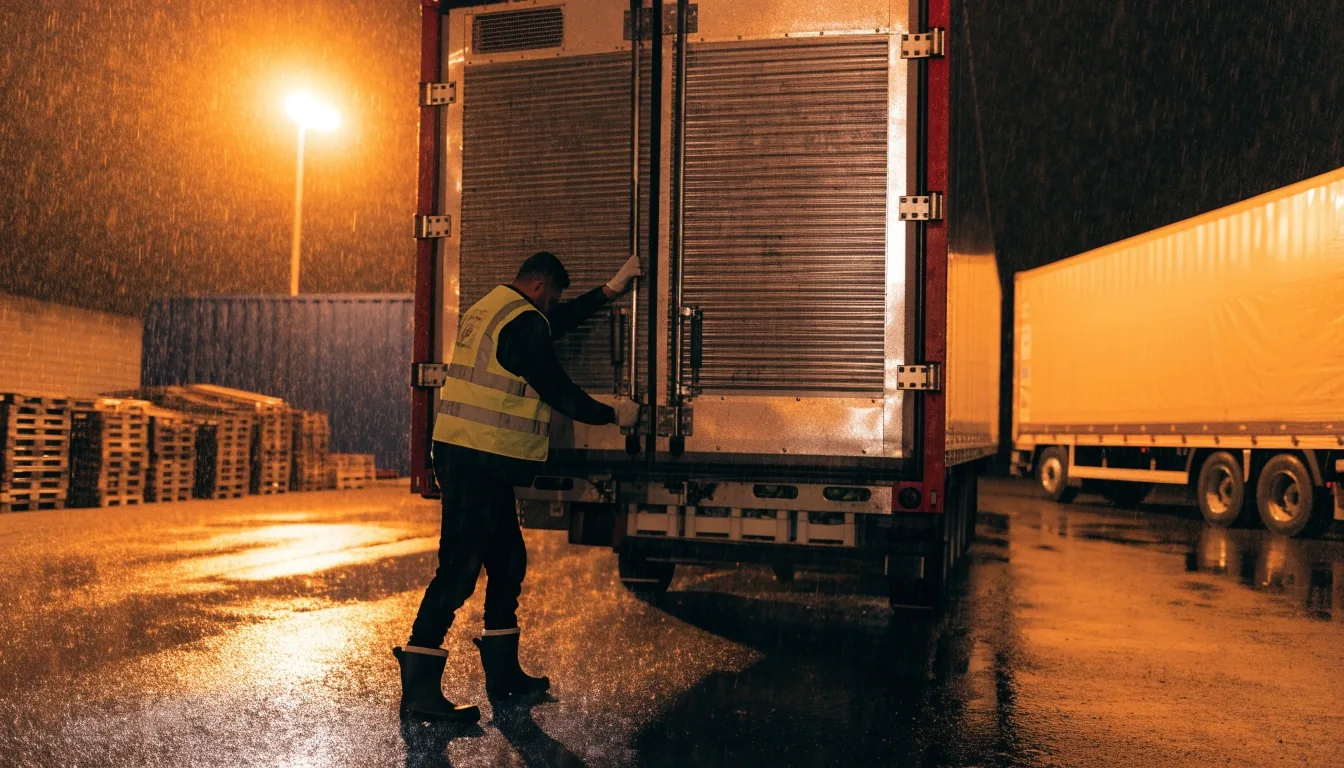
From quote to proof of delivery
Freight is a sequence of small decisions, and most problems come from one of them being skipped. This page walks through how Northern Peak Transport Solutions runs a shipment from the first enquiry to the delivery confirmation, so you know what happens at each stage and what we need from you.
The first enquiry
What we need before we can price a load
Vague enquiries get vague quotes. Give us the shipment and we can tell you which service fits instead of guessing.
The clearer the first message, the fewer questions land after the trailer is loaded.
- Cargo details What you are shipping, how much it weighs, how many pallets, and whether the goods need temperature control at a fixed set point.
- Load and delivery points Where the goods load, where they deliver, and whether there is a dock or a forklift at either end. Tail-lift and hand-balling change the plan.
- Timing and windows When the cargo is ready and when it must arrive. If the receiver only accepts between certain hours, tell us now, not at the gate.
- Whether customs is involved Cross-border shipments need commercial invoices, packing lists and declarations. Flagging this early lets us quote the documentation work properly.
A quote becomes a schedule
Planning is where the price you accepted turns into a vehicle, a departure and a delivery appointment. Once we know the shipment, we confirm the service type, the routing and a price. Quotes reflect the actual job: groupage and full loads price differently, temperature-controlled units cost more to run, and cross-border work carries documentation overhead. We also flag constraints that affect the price, such as a delivery window that forces a specific departure or a receiver who only accepts at certain hours.
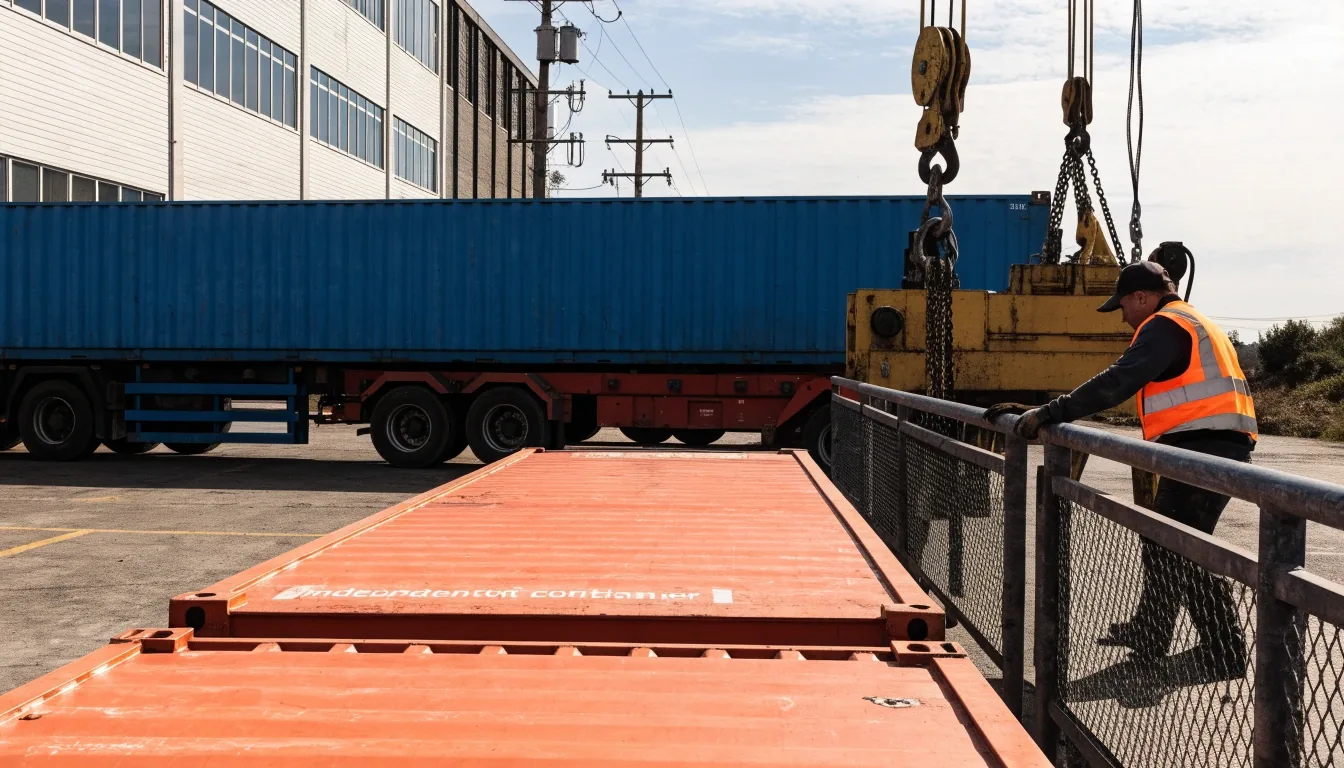
Planning and scheduling
We assign a vehicle, set a pickup window and work backwards from the delivery appointment, accounting for driving time, driver hours and any border crossing. If the route passes through a congested area at peak time, the schedule adjusts. If the receiver has a narrow slot, we may move the departure earlier. This is also when we check that the vehicle type matches the loading and unloading setup at both ends.
Pickup and loading
At pickup, the goods are checked against the documents and loaded according to the plan. Pallet counts, weights and any special handling instructions are verified before the trailer leaves. If the load does not match what was booked, we raise it there rather than in transit. Temperature-controlled units are pre-cooled and the set point confirmed against the cargo requirement. Loading is also the last point where a documentation gap can be fixed easily.
Transit, visibility and the honest answer
During transit we keep track of where the load is and when it is due. If a delay looks likely, whether from traffic, a border queue or a receiver who is not ready, we tell you before you have to ask.
Belgian corridor
Stage
Expected
Completion
Visibility means knowing the real status, not watching a dot move on a screen. You will not get a minute-by-minute map unless the shipment needs it, but you will get a straight answer when you call the operations team during working hours.
Customs and documentation, handled before departure
For cross-border shipments, the paperwork runs alongside the physical move. If a shipment is held at a border, it is almost always a document issue rather than a transport one. Getting this right before departure is cheaper than resolving it afterwards.
- Commercial invoice The description on the invoice has to match what is on the pallet. Where the two disagree, we ask you to correct the invoice before pickup rather than explain the difference at the border.
- Packing list and transport document Piece counts, weights and package types are checked against the physical load, so the papers and the trailer tell the same story when a customs officer looks at both.
- Tariff classification and origin These two fields are the usual sources of delay, which is why we ask for them early. If you are unsure about the correct code, say so at quoting stage and we will work through it with you.
- Declarations and clearance Declarations are prepared and lodged so the load moves when it reaches the frontier, not after. Any document we are still waiting on is chased before the vehicle departs.
Delivery and confirmation
The signed document closes the job
Delivery is confirmed when the goods are handed over and the paperwork is signed. That signed document is the proof of delivery, and it is what closes the job. If the receiver notes damage or a shortfall at handover, it gets recorded at that moment rather than reconstructed later. We send confirmation once delivery is complete, along with any documentation the shipment generated.
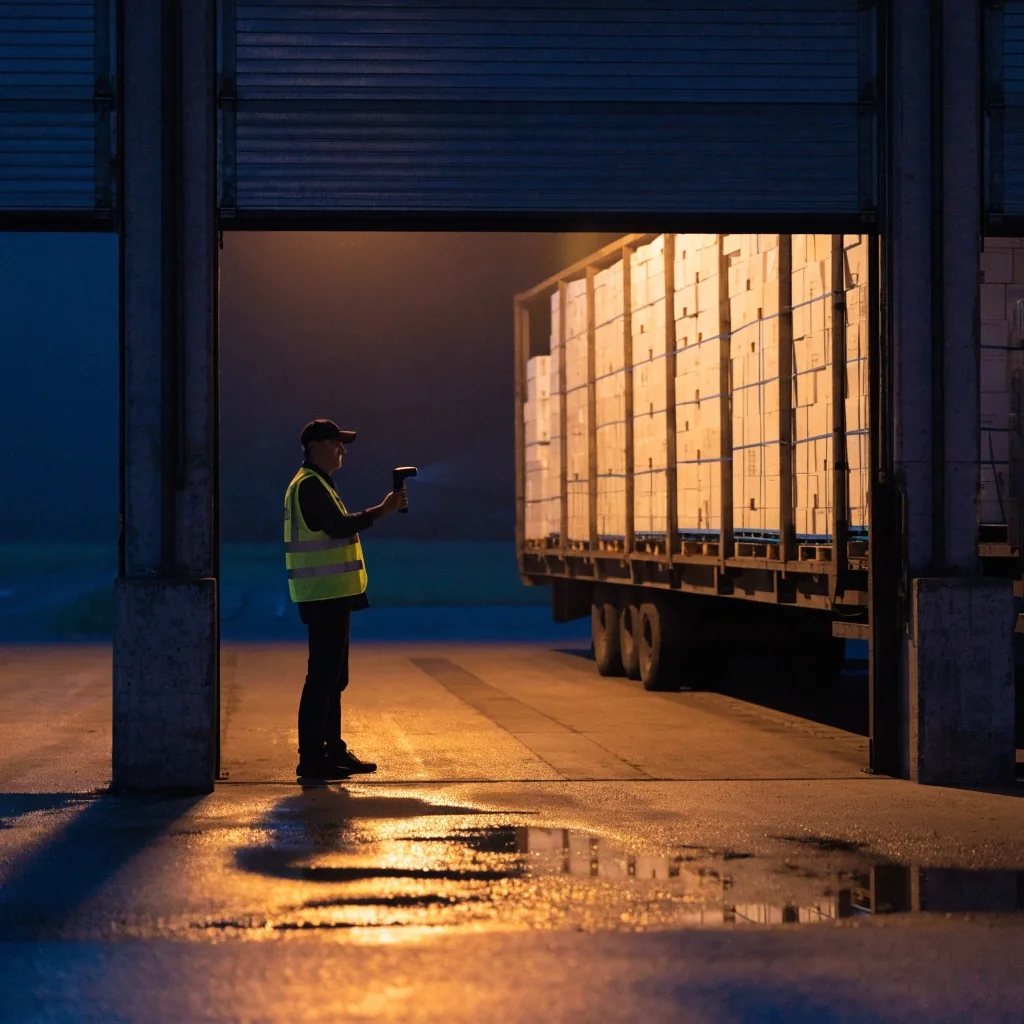
- Signature captured at handover, not reconstructed days later.
- Damage or shortfall noted at the dock, while the trailer is still there.
- Confirmation sent with the documents the shipment generated.
When something changes
We would rather adjust a schedule than defend a fixed one.
Plans change. A production delay pushes a pickup, a receiver reschedules, a port queue adds a day. When that happens, the earlier you tell us, the more options exist. A pickup moved by a few hours usually costs nothing. The same change made after the trailer is loaded may mean the load misses its slot and needs replanning.
Change made early
Pickup moved by a few hours
We reset the pickup window and tell the driver. The delivery appointment usually stands.
Change made late
Same change after loading
The load may miss its slot, so we replan the route or renegotiate the delivery window with the receiver.
Three things make a shipment run smoothly
None of this is complicated, and all of it prevents the delays that make freight frustrating.
- Accurate cargo details Weight, pallet count and any temperature requirement, as they actually are on the day of loading.
- Documents that match the goods If the cargo description on the invoice differs from what is on the pallet, fix it before pickup.
- A reachable contact at both ends If the delivery address has access restrictions or the receiver only accepts at certain hours, say so at booking.
Questions we get asked
Short answers to the three things visitors ask most often before they send a first enquiry.
How quickly will I get a quote?
Simple domestic shipments are usually quoted the same working day once we have the details. Cross-border and temperature-controlled jobs may take longer if customs or equipment availability needs checking.
Will I know when my shipment is collected?
Yes. We confirm collection once the goods are loaded and checked against the documents, and we will contact you if anything does not match what was booked.
What happens if my delivery is delayed?
We contact you as soon as a delay looks likely, with the reason and a revised expectation. Depending on the cause, we may be able to replan the route or reschedule the delivery appointment.

Tell us about the shipment and we will tell you the next step
Cargo details, loading and delivery points, timing, and whether customs is involved. Send those and we can come back with the service that fits, the routing and a price.
- Phone
- +32 756635176
- [email protected]
- Address
- Raveschoot 22, 9080 Lochristi, Belgium
- Hours
- Monday to Friday, 09:00 – 18:00
Still deciding? See our services or read how we handle warehousing and cross-border distribution.